Tallenta: A Script Font for Modern Web Design
As a web designer, choosing the right typeface can make or break your project’s visual impact. Tallenta, a delicate and enchanting script font, brings a unique blend of elegance and readability to digital experiences. Whether you're crafting a hero section for a landing page or designing a brand-focused portfolio site, Tallenta adds a touch of personality that enhances user engagement without compromising usability.
Visual Characteristics and Digital Appeal
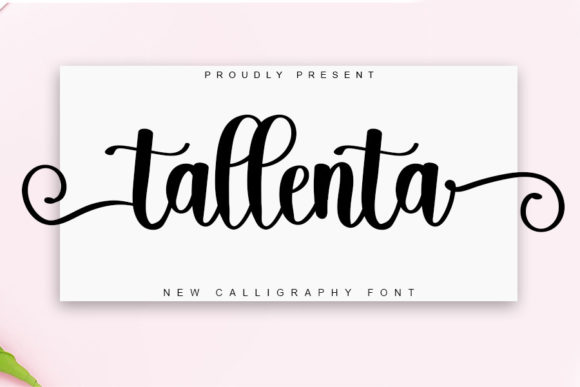
Tallenta is a display-oriented script font with fluid strokes and subtle ligatures that mimic natural handwriting. Its soft curves and rhythmic flow give it a warm, approachable feel—perfect for creative projects where human connection matters. Despite its ornate appearance, Tallenta is engineered for screen use, ensuring clarity across devices. The PUA encoding means you can access all its glyphs easily through glyph panels in design tools like Adobe Illustrator or Photoshop, making customization a breeze.
This typeface isn’t just pretty; it’s functional. Its high contrast between thick and thin strokes helps guide the eye, while open apertures prevent letters from appearing too cramped on smaller screens. These details are crucial when designing for responsive websites or mobile-first interfaces.
Where to Use Tallenta in Web Design
Tallenta shines as a decorative accent rather than a full-system font. Here are some ideal applications:
- Hero Sections: Use Tallenta for headline text to create an emotional hook. It works especially well for brands focused on lifestyle, fashion, wellness, or personal services.
- Logo Text: If your brand identity leans toward creativity or artisanal craftsmanship, Tallenta can help craft a memorable logo. Pair it with a clean sans serif for balance.
- Call-to-Action Buttons: For short phrases like “Join Now” or “Create Account,” Tallenta adds a touch of sophistication that elevates the design.
- Boutique Online Stores: Use it in banners or product headers to reflect a curated, handcrafted aesthetic. It fits naturally into luxury or niche retail environments.
- Creative Portfolios: Showcase your work with a header that feels personal yet professional. Tallenta adds a signature style to your design narrative.
Designing for Readability
Script fonts often face criticism for being hard to read, but Tallenta defies that stereotype. When used thoughtfully, it maintains legibility even in medium sizes. However, it's best reserved for short bursts of text where the goal is to evoke emotion, not convey large amounts of information.
For example, on a coaching website, you might use Tallenta in the hero title to express warmth and trustworthiness. But for body copy, a more neutral typeface like Lato or Roboto would be essential to maintain scannability and reduce cognitive load.
When applying Tallenta to mobile layouts, consider increasing the letter spacing slightly and using larger font sizes to ensure each character remains distinct. Avoid using it in small buttons or menus where quick scanning is key. On dark backgrounds, pair it with a light stroke weight or add a subtle shadow effect to lift it above the surface.
Building Brand Identity with Tallenta
In today’s competitive digital landscape, brand tone plays a vital role in standing out. Tallenta communicates a sense of artistry and individuality—qualities that resonate with audiences seeking authenticity. For startups, boutique brands, or SaaS companies aiming to build a creative identity, this font can serve as a cornerstone of your visual language.
Imagine a product landing page for a stationery line or a handmade candle brand. Using Tallenta for the main headline immediately sets the tone—handcrafted, elegant, and trustworthy. This kind of typographic storytelling aligns with the brand’s values and makes the experience more immersive for users.
Font Pairing Strategies
To keep your designs cohesive, pairing Tallenta with complementary fonts is essential. As a display font, it works beautifully alongside minimalist sans serifs or classic serifs depending on the context.
- Sans Serif Companions: For modern, clean interfaces, try pairing Tallenta with a geometric sans like Montserrat or Raleway. This combination balances creativity with clarity.
- Serif Partners: In editorial or content-heavy sites, a serif font such as Merriweather or Playfair Display can ground the design and enhance professionalism.
- Monospaced for Code Blocks: If your site includes technical content or code snippets, a monospaced font like Fira Code or Source Code Pro ensures readability in supporting sections.
The key is to let Tallenta take center stage where it belongs—on headers, logos, and branded elements—while reserving simpler fonts for body copy and navigation. This strategy keeps your layout readable and your brand voice consistent.
Practical Applications Across Industries
Let’s explore how Tallenta can be applied in real-world scenarios:
- Coaching Websites: Use Tallenta in the hero title to reflect a nurturing, personalized approach. Combine it with a friendly sans serif in testimonials or client stories.
- Course Sales Pages: Highlight course titles or instructor names with Tallenta to build trust and highlight the human element behind the learning experience.
- Blog Headers: Apply it to blog titles or category headers for a fresh, inviting look that stands out from the standard sans serif fare.
- Digital Brand Kits: Incorporate Tallenta into your brand assets for social media posts, email signatures, or promotional graphics. Its versatility ensures a unified presence across platforms.
Technical Considerations for Web Projects
Before integrating Tallenta into your next project, check what styles and formats are included. Most premium script fonts come with at least one weight and several alternate characters, which can be used to vary the look of repeated words or phrases. Look for webfont availability if you plan to embed it directly on your site via CSS. Webfonts ensure cross-browser compatibility and smooth performance on both desktop and mobile devices.
Also, confirm whether the license allows commercial use for websites, client projects, online stores, and other digital outputs. Many script fonts are restricted to personal use unless explicitly licensed for commercial deployment. Always review the terms provided by the font vendor before publishing live content.
Creating Conversion-Focused Layouts
Typography has a direct impact on conversion rates. Tallenta can be leveraged in conversion-focused layouts by drawing attention to key messaging areas. For instance, a product launch page could feature the product name in Tallenta to create a strong first impression, followed by clear, persuasive body copy in a more utilitarian font.
Its gentle curves and refined style also make it suitable for CTA (call-to-action) sections where you want to invite action without overwhelming the user. Think of it as the perfect bridge between artistic expression and functional communication.
Ensuring Consistency in Your Digital Brand
A consistent brand identity builds recognition and trust. Tallenta supports this by offering a distinctive yet versatile look that can adapt to various brand expressions. Whether you're designing a brand kit for a new startup or refreshing a company’s digital assets, having a font that reflects the brand’s core values is essential.
Consider how Tallenta can appear in different contexts:
- In social media graphics for a boutique skincare brand, it conveys care and quality.
- On app screens for a journaling tool, it adds a handwritten, personal touch to prompts and notes.
- As part of a packaging design system, it reinforces the idea of a custom-crafted experience.
Readability Tips for Image Overlays
One common challenge with script fonts is maintaining readability over images. Tallenta handles this well due to its clear structure, but there are a few tricks to improve legibility further:
- Add a semi-transparent background layer beneath the text.
- Use white or light-colored text with a drop shadow for dark imagery.
- Limit the number of lines to two or three and keep the font size large enough to stand out.
These techniques ensure that Tallenta remains effective even in complex compositions like banner ads or hero image overlays.
Final Thoughts on Tallenta’s Role in Modern Typography
Tallenta is more than just a beautiful script—it’s a strategic design asset. When used correctly, it can elevate the emotional resonance of your layouts, support a strong visual hierarchy, and contribute to a polished brand identity. As a web designer, I recommend keeping it in your toolkit for those moments when a traditional sans serif feels flat or uninspired.
Remember, typography is about balancing form and function. Tallenta excels at adding character to your designs, but it’s up to you to use it wisely. Pair it with simpler fonts, limit its use to key visual elements, and always prioritize readability. With these principles in mind, you’ll be able to harness the full potential of Tallenta in your next digital project.